


Start ThriftyEvents.net is best understood as a search for a starting point: where to begin reading and how to turn budget-event inspiration into a workable plan. The phrase does not establish a registration process, a planning application or a paid service. Begin with the event you need to deliver, then use relevant reading to answer specific questions.
This is an independent practical guide on ThriftyEvent.net. The plural-domain ThriftyEvents.net is a separate website address. Rather than assuming the two are interchangeable, check which publisher you are browsing. The planning method below is an editorial framework you can adapt yourself, not a description of an unverified feature or official programme.
Start ThriftyEvents.net with a one-page brief
Write down the event’s purpose before choosing a theme. A family gathering might prioritise conversation and an easy shared meal. A community meeting might need clear sound, accessible seating and a predictable finishing time. A fundraiser might need a transparent record of expenses and responsibilities. The purpose helps you decide what deserves attention.

Add the date or possible date range, expected audience, venue constraints and the person authorised to approve spending. Identify what is already known and what remains provisional. An approximate guest count can be useful, provided everyone knows it is an estimate. Unlabelled assumptions are more troublesome than openly acknowledged uncertainty.
Keep the brief short enough to read during a phone call. It should help a volunteer or supplier understand the task without opening several documents. If the event changes materially, revise this page first. Otherwise, different people may continue making decisions for different versions of the same gathering.
Build the budget around the real scope
List the costs required to deliver the brief: space, food, equipment, transport and any relevant services. Then separate necessary items from optional additions. This exercise makes trade-offs visible. It does not require copying a universal allocation percentage or assuming that an online example reflects your local market.
For each item, record the estimate, written quotation, agreed commitment and amount paid in separate fields. A deposit reduces the amount still payable but may not reduce the total cost. An accepted quotation creates a commitment even before the final invoice arrives. Keeping those distinctions visible gives a more realistic picture than a single column labelled “spent”.
Identify costs that remain uncertain and decide who can authorise changes. If additional attendees would affect catering or furniture, record the supplier’s deadline for final numbers. If weather could require an alternative arrangement, describe that decision and its trigger. A useful budget tells you what could change and when you must respond.
Choose a venue by requirements, not photographs
A venue needs to support the event’s practical purpose. Check access, available hours, furniture, toilets, power, storage and cleanup arrangements. Ask what is included in the quoted price and what must be supplied separately. Compare complete arrangements rather than selecting the cheapest visible hire fee.
Walk through the guest journey. Consider arrival, finding the room, moving between activities and leaving at the end. Discuss accessibility needs directly with the venue and relevant guests rather than assuming the building’s appearance answers those questions. Record the agreed arrangements so they can be communicated clearly.
HSE’s event-planning guidance emphasises planning proportionate to the event’s scale and risk. Use that principle as a reason to ask appropriate operational questions early. Where local permissions, specialist equipment or complex activities are involved, check current requirements with the responsible authority and competent providers.
Keep food and decoration choices deliverable
A simple menu can still create a substantial workload if the venue lacks suitable preparation and storage facilities. Before choosing dishes, identify who will provide the food, how it will arrive and who will answer questions. Use current Food Standards Agency guidance for community and charity food provision where relevant to your location and activity.
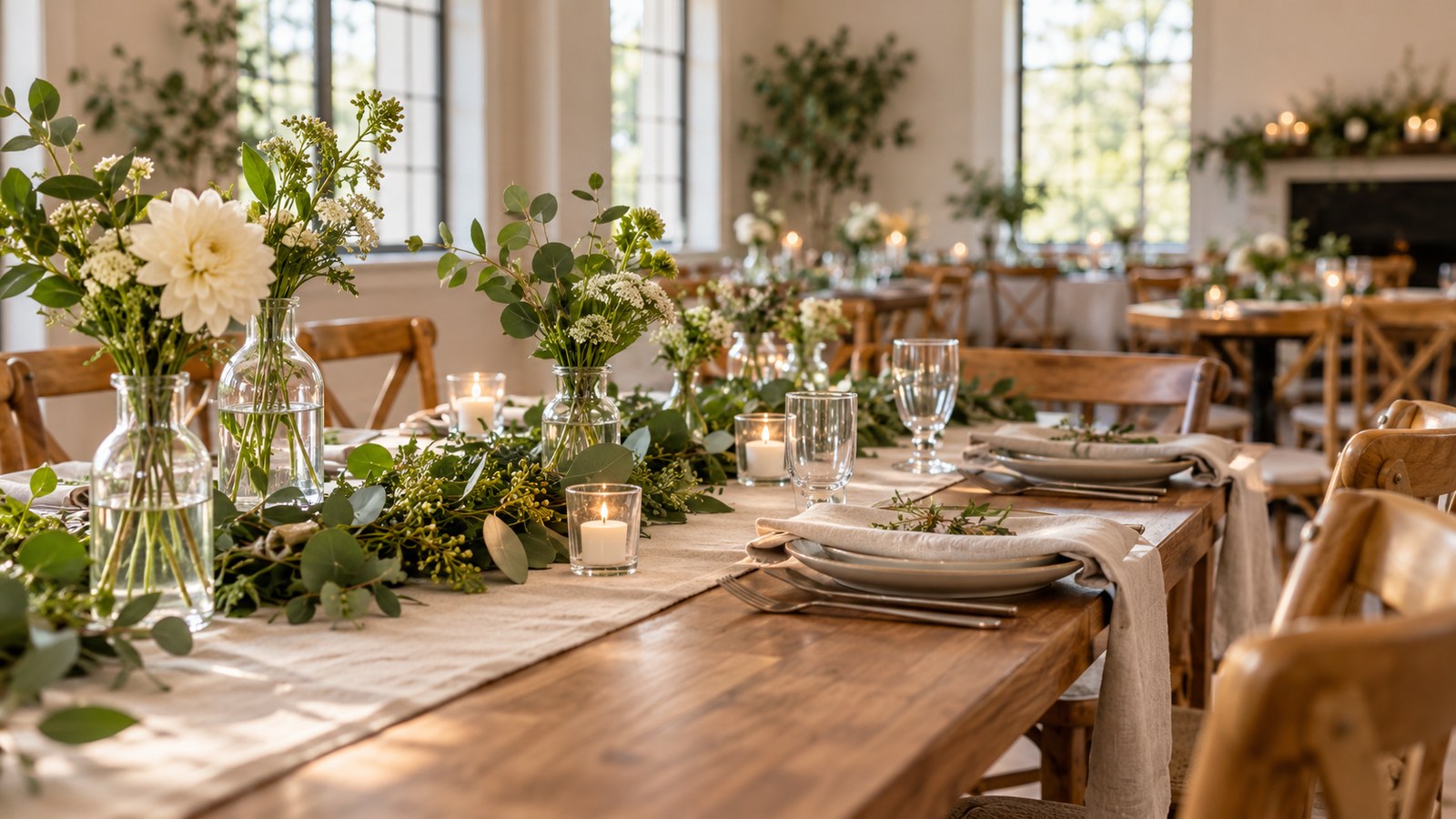
For decorations, make one complete sample and test how it will be transported, installed and removed. Borrowed materials are useful only when their availability and return arrangements are clear. A low purchase price does not account for time spent collecting, cleaning and packing items. Keep those tasks in the plan even when no money changes hands.
Focus on the areas that support the event’s purpose. Clear signage, functional seating and a welcoming entrance may be more helpful than filling every surface. This is a practical judgment, not a guaranteed formula for savings or guest satisfaction. Choose what your team can deliver well within the agreed scope.
Turn the plan into a simple event-day schedule
Work backwards from guest arrival. List venue access, deliveries, setup, equipment checks and the point when the room must be ready. Give each task an owner and a contact method. Include time for packing away and returning borrowed items, because the event does not end when the last guest leaves.
Discuss dependencies. Tables must be placed before table settings, equipment may need testing before furniture blocks access and food deliveries may need a named recipient. A schedule that shows those relationships is more useful than a long list of tasks arranged without regard to sequence.
Hold a short final review with the people responsible for the main tasks. Confirm what has changed, which decisions remain open and who handles questions during the event. Keep the live schedule concise; the research folder can remain separate. A volunteer should be able to find their responsibility without reading a whole article.
Frequently asked questions
Is Start ThriftyEvents.net a sign-up page?
The phrase does not confirm that a sign-up page exists. Use only a registration route explicitly displayed by the intended website, and check what information is being requested.
What should I decide first?
Define the event’s purpose, audience and practical limits. These decisions guide the venue, spending and timetable. Choosing decorations first can make later compromises harder.
Do I need a complicated planning tool?
Not necessarily. A short brief, an accurate budget and an owned task schedule can be enough for a straightforward gathering. More complex events require planning appropriate to their particular risks and responsibilities.
How do I know whether an online idea will work?
Test it under realistic conditions. Check preparation time, transport, venue restrictions and the people needed to deliver it. Keep the simpler version if it meets the event’s purpose more reliably.
Further reading and primary references
HSE: getting started with event planning
Food Standards Agency: community and charity food guidance
